
hydraulic cylinder
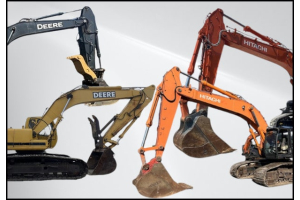
Excavators are robust machines vital for construction and excavation projects. Central to their functionality are hydraulic systems, including hydraulic cylinder that power various movements like bucket operation and arm extension. Over time and heavy use, these cylinders may develop leaks, lose efficiency, or experience damage, necessitating rebuilding.

Introduction to Excavator Hydraulic Cylinder Rebuilding

Excavators are robust machines vital for construction and excavation projects. Central to their functionality are hydraulic systems, including hydraulic cylinders that power various movements like bucket operation and arm extension. Over time and heavy use, these cylinders may develop leaks, lose efficiency, or experience damage, necessitating rebuilding.

Understanding Excavator Hydraulic Cylinders

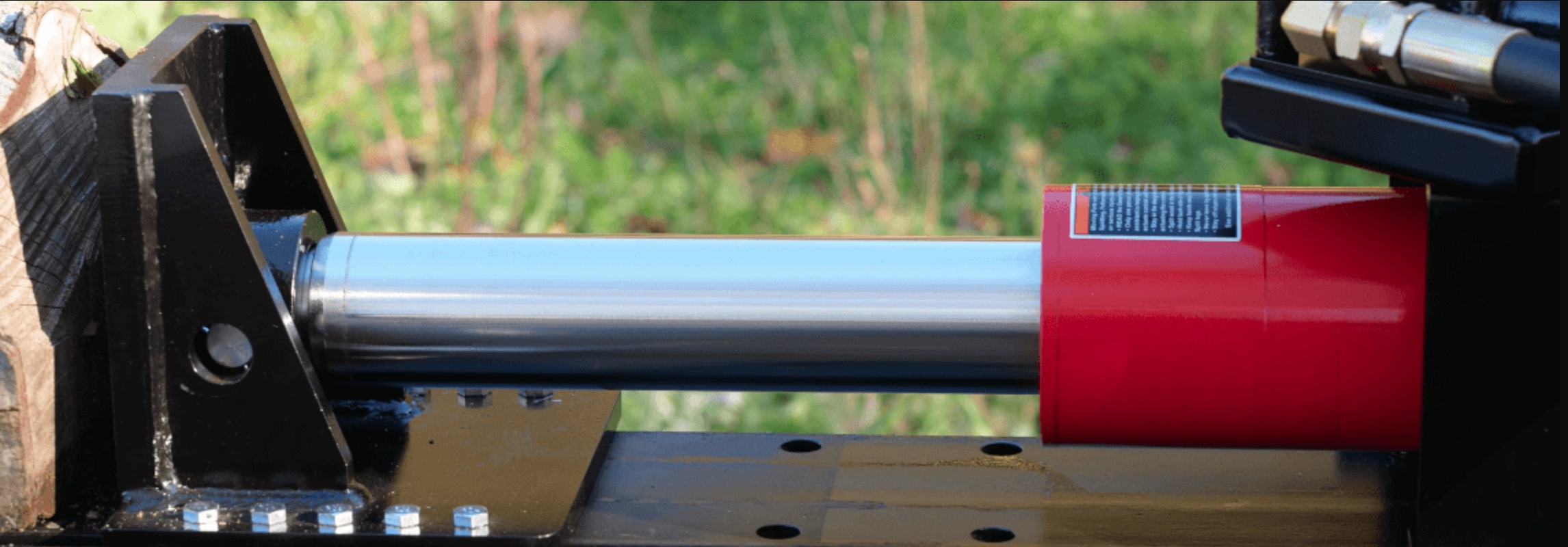
Excavator hydraulic cylinders are critical components that convert hydraulic power into mechanical force. They consist of a piston inside a cylindrical tube, with hydraulic fluid pressurizing one side of the piston to create movement. Cylinders vary in size and design based on the excavator model and function.

Assessment and Diagnosis

Before beginning the rebuilding process, thorough assessment and diagnosis are crucial. Inspect the cylinder for leaks, dents, or signs of wear. Check the piston rod for bends or scoring, which can affect performance. Measure dimensions and tolerances to ensure replacements fit precisely.

Heavy Equipment Hydraulic Cylinders & Seal Kits


for immediate assistance.

Disassembly

  1. Prepare the Excavator: Secure the excavator on stable ground and relieve hydraulic pressure from the system.
  2. Remove the Cylinder: Detach hydraulic lines, bolts, and fittings securing the cylinder. Use appropriate tools to avoid damaging components.
  3. Separate Components: Disassemble the cylinder carefully, documenting the sequence and orientation of parts. Clean each component thoroughly to assess damage.

Inspect and Replace Components

  1. Inspect Seals and O-Rings: Replace worn or damaged seals, O-rings, and gaskets with high-quality replacements suitable for hydraulic systems.
  2. Evaluate Piston and Cylinder Tube: Check the piston for wear, scoring, or corrosion. Evaluate the cylinder tube for pitting or damage that may require honing or replacement.
Choose ConEquip for your heavy equipment parts needs and experience superior quality and service.

Reassembly

  1. Clean Components: Ensure all parts are clean and free from contaminants before assembly.
  2. Apply Lubrication: Use recommended hydraulic fluid or grease to lubricate seals and components during reassembly.
  3. Precision Assembly: Follow assembly instructions and torque specifications precisely to prevent leaks or operational issues.

Testing and Calibration

  1. Pressure Test: Once reassembled, pressure-test the hydraulic cylinder to ensure it functions correctly and holds pressure without leaks.
  2. Operational Check: Reattach the cylinder to the excavator and conduct a series of operational checks. Verify smooth movement and correct alignment.

Final Adjustments and Maintenance

  1. Adjustment: Fine-tune settings and adjustments as necessary to optimize performance and ensure safety.
  2. Maintenance Schedule: Develop a maintenance schedule for regular inspection, lubrication, and replacement of wear parts to extend the cylinder's lifespan.

Mastering Excavator Hydraulic Cylinder Rebuilding: Your Path to Enhanced Equipment Performance

Rebuilding an excavator hydraulic cylinder requires precision, patience, and a thorough understanding of hydraulic systems. By following these steps and using quality replacement parts, operators can restore cylinder performance, reduce downtime, and extend the lifespan of their excavator equipment.

This process ensures efficient operation on construction sites and enhances overall productivity. For complex rebuilds or if uncertain, consulting with professional technicians or referencing manufacturer manuals is recommended to ensure safety and efficiency. Let us find you the part you need and fill out our Parts Quote Request now!

Call ConEquip

Speak to a Parts Specialist Today!

1-716-836-5069

Call today and one of our knowledgeable and well trained staff will find the parts you need at a price that fits.