
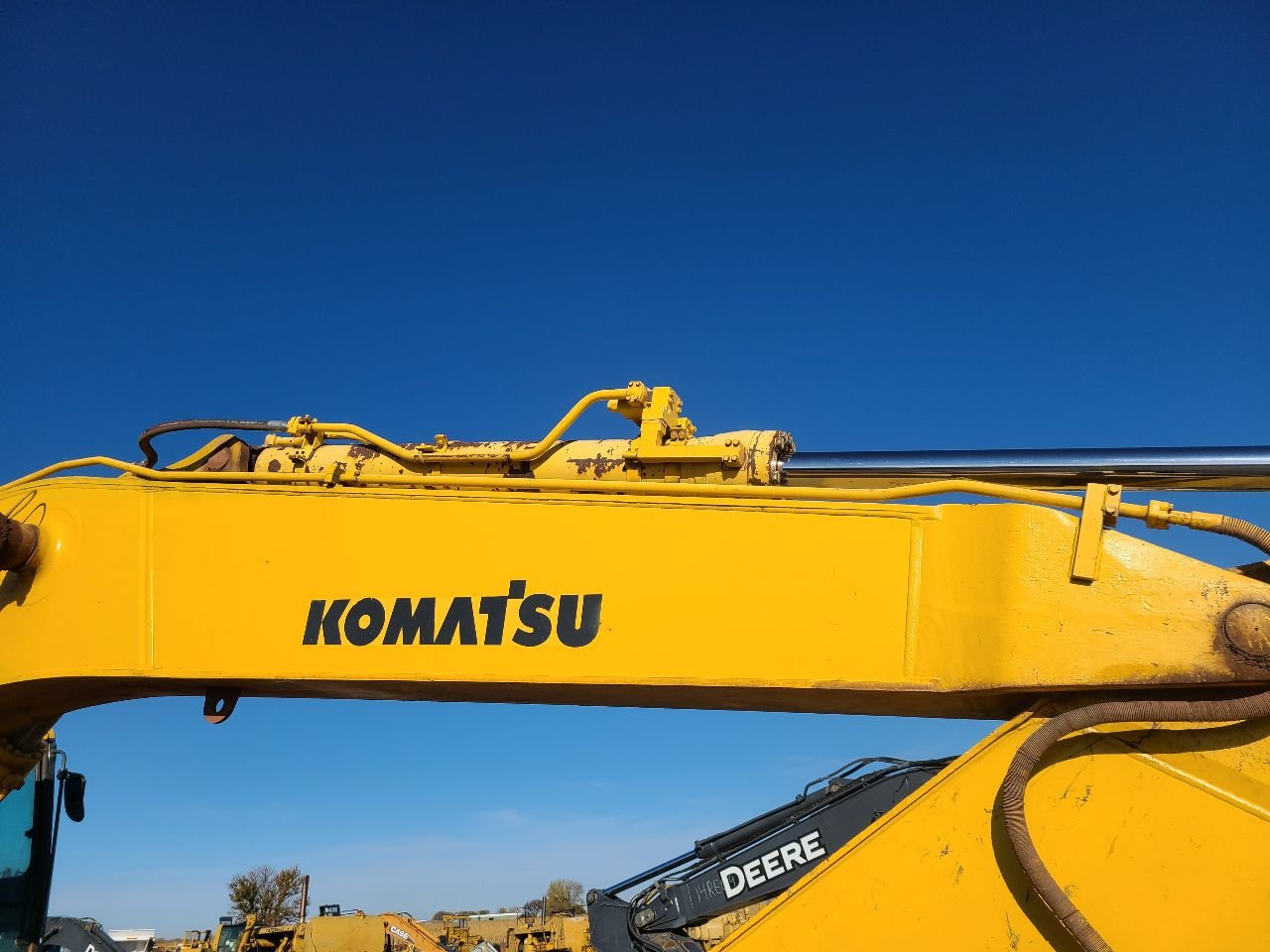
Aftermarket hydraulic cylinders for construction machines such as excavators, bulldozers, and other equipment have become increasingly popular in recent years. These cylinders are designed to replace or upgrade the original equipment manufacturer (OEM) cylinders that come with the machines. In this article, we will discuss the differences between aftermarket and OEM cylinders and why you might consider using aftermarket cylinders for your construction equipment.
-
Quality: Aftermarket cylinders are often made with higher quality materials and manufacturing processes than OEM cylinders. This can result in improved durability and longevity, reducing the need for frequent repairs or replacements.
-
Cost: Aftermarket cylinders are typically less expensive than OEM cylinders. This can provide significant savings for construction companies and equipment operators.
-
Customization: Aftermarket cylinders can be customized to meet specific needs, such as increased lift capacity or extended reach. This allows operators to optimize the performance of their equipment for specific tasks or applications.
-
Availability: Aftermarket cylinders may be easier to find and purchase than OEM cylinders. This is especially true for older or discontinued models of construction equipment.
-
Warranty: Aftermarket cylinders typically have a warranty which can provide extra peace of mind and protection against any defects or issues.
-
Performance: Aftermarket cylinders can have an improved performance than OEM cylinders, such as increased flow, pressure and speed.
-
Variety of Brands: Aftermarket cylinders are available from a wide variety of manufacturers, which allows operators to find the best cylinder for their specific needs and budget.
If you're in need of an aftermarket hydraulic cylinder for your construction equipment, consider contacting Conequip Parts at 716-836-5069. They have a wide range of aftermarket cylinders available for excavators, bulldozers, and other construction machines. With their expert advice, you'll be able to find the perfect cylinder to meet the needs of your equipment and operation.